

PEKO helps OEMs turn developing products into manufacturing programs built for repeatability, quality, and long-term production requirements.
Our new product introduction (NPI) services are designed for OEMs with defined technical and commercial objectives that need a clear path from development into manufacturing. By bringing engineering and production resources into the same program, PEKO can evaluate development decisions against the realities of sourcing, fabrication, assembly, testing, quality, and production execution.
PEKO can engage at different levels of product maturity—from designs that still require engineering refinement to products approaching production release. With 40 engineers, vertically integrated manufacturing resources, and 60 years of experience, our team helps close the gaps between development and production while maintaining focus on the manufacturing requirements that will ultimately support a successful launch and ongoing production.
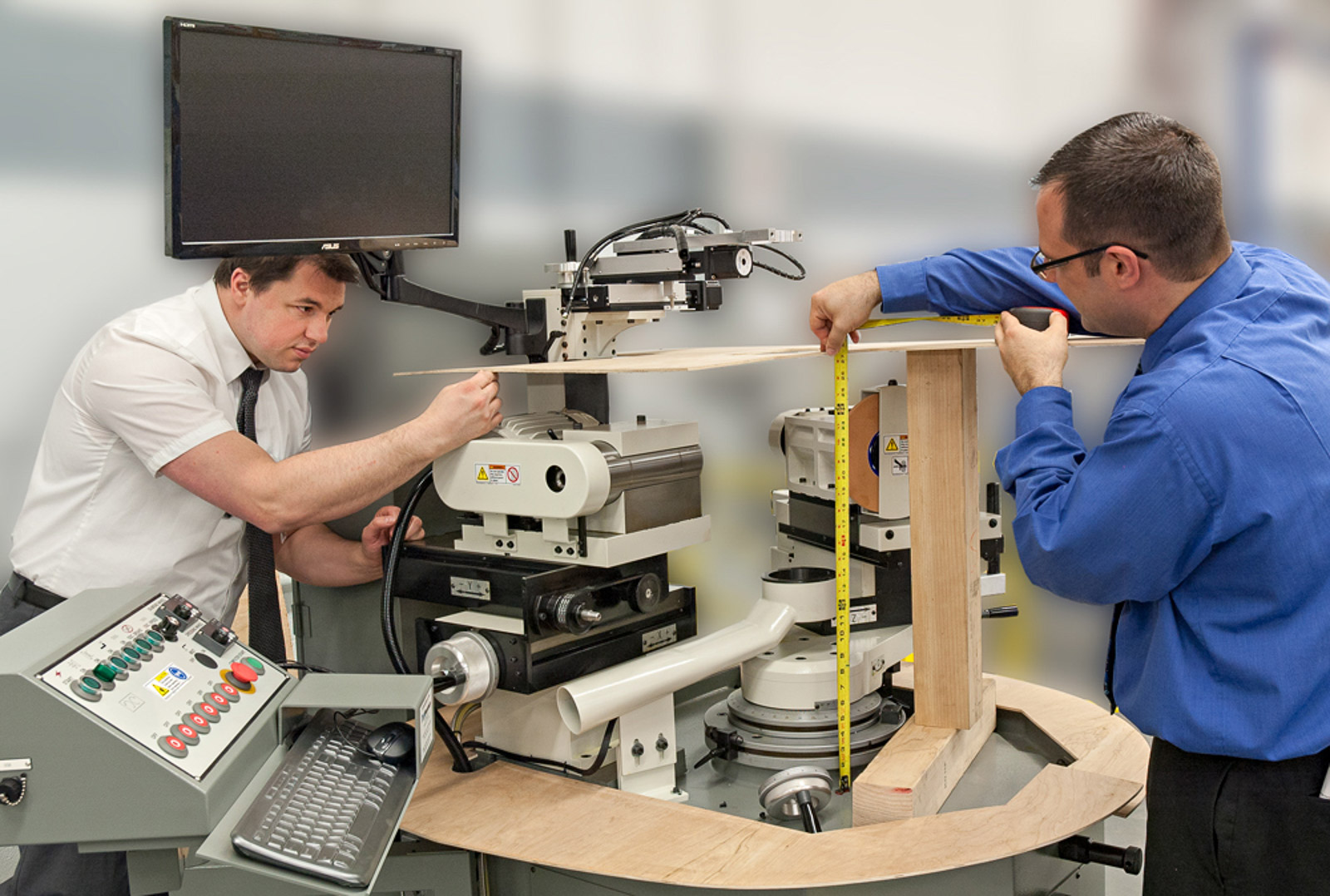
New product introduction services coordinate the engineering and manufacturing activities required between product development and production launch. Unlike broader engineering services, which can support products at any stage of their lifecycle, NPI is specifically focused on preparing and launching a new or next-generation product.
Depending on product maturity, NPI may involve design refinement, prototyping, manufacturability review, testing, pilot production, manufacturing-process development, quality planning, supply-chain preparation, and production ramp.
The objective is not simply to build a successful prototype. It is to establish a product and manufacturing process that can be reproduced consistently, creating a controlled path into new product manufacturing while meeting defined requirements for quality, cost, delivery, and volume. Addressing production-readiness gaps before launch helps reduce bottlenecks, nonconforming builds, and process variability as production ramps.
PEKO can enter an NPI program at different stages. Some customers require additional product development before manufacturing can begin, while others arrive with working prototypes or substantially complete designs that need to be prepared for pilot and production builds.
Not sure where your product stands between development and production? PEKO’s free New Product Development Self-Assessment Guide walks through common considerations at different stages of the NPI process to help your team identify what has been addressed, what may still need attention, and what steps may be required before moving forward toward pilot production and manufacturing launch.
Within an NPI program, PEKO can apply the engineering and manufacturing resources needed to address the product’s remaining path to production. Quality, supply chain, testing, and dedicated program management are integrated across the work so technical and manufacturing decisions remain aligned as the program advances.
Product Development Engineering
Refine developing products into documented, manufacturable designs that can progress toward production. Depending on the starting point, this may include clarifying functional requirements, critical parameters, design intent, and the documentation needed to support downstream manufacturing activities.
Prototyping & Engineering Builds
Turn design intent into physical hardware for functional evaluation, engineering learning, and manufacturing feedback before committing to production-intent builds. These builds help identify design, documentation, and process issues while there is still flexibility to make informed changes.
Production Readiness
Evaluate whether the product and supporting manufacturing approach are sufficiently prepared to move into controlled pre-production. The review considers manufacturability, documentation, testing, tooling, quality, supply-chain, and process requirements that could affect repeatability, cost, delivery, or launch execution.
Build controlled pre-production units to evaluate the product and manufacturing process under conditions that more closely represent production. Pilot builds provide an opportunity to identify remaining gaps before release and, depending on program requirements, may also serve as qualification builds.
Transition the approved product and manufacturing process into controlled production, establish the resources and controls needed to support the launch, and progressively increase output toward the required production rate. The goal is to move from a development-oriented environment into a stable manufacturing program without losing control of quality, configuration, or delivery.
PEKO organizes the work around practical milestones that move the program toward production while providing clear points for evaluation, decision-making, and customer alignment. The exact activities within each phase are tailored to the needs of the product and program.
NPI planning begins with a review of the current product, available documentation, functional requirements, prototypes, production objectives, schedule, expected volumes, and known risks. From there, PEKO works with the customer to establish the appropriate program roadmap, priorities, responsibilities, and next steps.
Remaining product-development, prototype, manufacturability, testing, and manufacturing-process needs are addressed so the program can advance toward production-intent builds. The emphasis is on resolving issues that could prevent the product or manufacturing process from progressing with confidence.
Controlled pre-production builds are used to confirm product performance, manufacturing processes, documentation, quality controls, testing, material readiness, and repeatability. Findings help determine whether additional refinement is needed or the program is ready to move toward production release.
The approved product is released into controlled manufacturing and progressively ramped toward the required production rate. Early production performance is monitored as the process stabilizes, and once the program is operating consistently, execution transitions from NPI into ongoing contract manufacturing.
The exact outputs depend on where PEKO enters the program and the maturity of the product. An NPI engagement can establish the product definition, manufacturing processes, documentation, controls, and production readiness required for launch, including:
The goal of NPI is not simply a successful build. It is a repeatable product and manufacturing process ready for production.
PEKO’s 40 engineers work alongside fabrication, assembly, quality, test, supply-chain, and production teams so decisions can be evaluated against real manufacturing requirements.
PEKO provides NPI contract manufacturing support from early builds and pilot production through initial launch and ongoing manufacturing, reducing the need to transfer the product between disconnected development and manufacturing organizations.
PEKO supports complex machinery, equipment, medical devices, energy systems, semiconductor equipment, defense products, and electromechanical assemblies intended for repeatable production.
PEKO maintains AS9100D, ISO 9001:2015, and ISO 13485:2016 quality management certifications, supporting NPI and production programs with documented quality controls, traceability, and customer-specific requirements.
PEKO does not seek ownership of customer product IP. Designs, drawings, documentation, and other work product developed collaboratively with PEKO become the sole property of the customer.
PEKO brings a production-focused perspective to new product introduction, with continual attention to quality, cost, delivery, repeatability, and long-term manufacturing requirements.
PEKO has helped OEMs move complex products from development and prototype stages into controlled, repeatable production across regulated and technically demanding industries.
Medical Imaging Equipment: PEKO helped advance a working medical-system concept into a manufacturable product, then established the production processes, documentation, quality controls, testing, and assembly resources required for repeatable manufacturing.
Next-Generation Optical Manufacturing Machine: PEKO supported product development, prototype builds, design refinement, pilot units, and production preparation before scaling the program into ongoing manufacturing. Today, more than 150 systems are in service, with dozens produced annually.
Telecommunications Equipment: PEKO helped transform an early prototype assembly into a production-ready product by refining the design, supporting iterative prototype builds, reducing manufacturing complexity, and completing the documentation needed for future scale.
An NPI manufacturing company should be involved early enough for manufacturing, sourcing, testing, quality, and production requirements to influence the product before final release. PEKO can enter after initial development, during prototyping, before pilot production, or as a product approaches manufacturing launch.
NPI planning establishes the path from a product’s current development stage to production. It may include reviewing technical documentation, identifying manufacturing-readiness gaps, defining program responsibilities and milestones, and determining the engineering, prototype, pilot, quality, supply-chain, and production activities required before launch.
No. PEKO can support products that still require defined engineering work before production. However, PEKO’s best-fit NPI programs have a clear technical objective and a credible path toward repeatable production.
Yes. Many NPI programs begin after an OEM has already produced one or several prototypes. PEKO can evaluate the existing design, documentation, BOM, prototype, test requirements, and build process, while capturing relevant product and build knowledge that may not yet be fully documented. From there, our team can identify the gaps that must be addressed before pilot production and controlled manufacturing.
After pilot or qualification activities are complete, approved documentation and processes are placed under configuration control. PEKO establishes the appropriate production resources, material plan, quality controls, test procedures, schedule, and capacity, then progressively ramps toward the required production rate.
Once the program is stable and repeatable, ongoing execution transitions to PEKO’s production program-management and contract manufacturing organization.
The customer does. PEKO does not seek ownership of the customer’s product intellectual property. Designs, drawings, documentation, and other product work developed collaboratively with PEKO become the sole property of the customer.
Bring PEKO your current design, prototype status, production requirements, and launch objectives. Our NPI team can help identify the gaps between where your product stands today and a controlled production launch.