

A working prototype is a major milestone. But proving that a product works is different from proving that it can be built consistently at the quality, cost, and volume required for production.
Moving from prototype to production requires more than simply increasing build quantities. The product definition, supply chain, manufacturing processes, tooling, testing, quality controls, and production documentation all need to mature along with the design.
That is where NPI manufacturing comes in.
NPI manufacturing helps bridge the gap between product development and repeatable production. For complex mechanical, electrical, and electromechanical products, the prototype to production process gives OEM teams an opportunity to identify and resolve manufacturing risks before they become larger problems during pilot builds, launch, or production ramp.
What Is NPI Manufacturing and Where Does It Fit in the Prototype to Production Process?
NPI in manufacturing is the work required to prepare a new product and its build process for production.
During product development, teams are primarily trying to prove the product itself: Does it work? Does it meet its functional requirements? Is the design technically sound?
The transition from prototype to manufacturing introduces a different set of questions. Can the product be built consistently? Are drawings and BOMs complete enough for a production team to follow? Are components available at the quantities and lead times required? Are inspection and test requirements clearly defined? Can the assembly process be repeated without relying on undocumented adjustments or engineering knowledge?
Answering those questions is an important part of moving a product toward manufacturing readiness.
The goal is not to eliminate every possible issue before production begins. It is to identify the problems most likely to create delays, rework, quality issues, cost increases, or inconsistent builds as quantities rise.
Why Manufacturing Readiness Matters
Effective prototype to production manufacturing requires both the product and the process used to build it to become more controlled and repeatable.
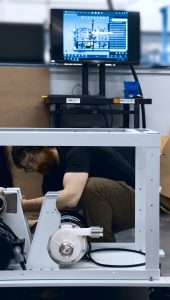
Prototype builds are often intentionally flexible. An engineer may make an adjustment during assembly, substitute a component, machine a part differently, or solve a fit issue on the spot. That flexibility is valuable during development because the objective is learning and validation.
The challenge is making sure those lessons are incorporated into the product definition and manufacturing process before production begins.
A build that depends on tribal knowledge can work perfectly in a development environment and still be difficult to reproduce in production. The same is true of drawings that leave room for interpretation, BOMs that are still changing, components that were never sourced with production volumes in mind, or test requirements that have not been fully defined.
NPI manufacturing creates the opportunity to address those issues while there is still time to make changes.
Key Areas to Address When Moving from Prototype to Production
The path from prototype to production varies by product and program, but several areas consistently become more important as the design matures and manufacturing requirements become more defined.
Product Documentation
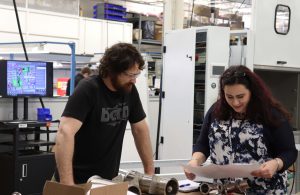
Production teams need a clear definition of what they are building. Drawings, models, BOMs, schematics, specifications, and revision levels should accurately reflect the intended product.
The documentation does not have to be perfect from the first build, but it needs to become progressively more complete and controlled as the program moves toward release.
Those records also need to stay synchronized. A CAD change missing from the drawing, or a prototype substitution missing from the BOM, can leave production working from conflicting product definitions. Before pilot and release, approved changes should be carried into the controlled documentation.
Manufacturability
A design can meet its functional requirements and still be unnecessarily difficult to manufacture.
Tight tolerances, hard-to-reach fasteners, complicated assembly sequences, difficult fabrication features, or parts that require specialized processing can all affect cost, quality, and repeatability.
Manufacturability reviews help identify those issues before they become routine production problems.
Supply Chain Readiness
The way parts are sourced for a prototype is not always the way they should be sourced for production.
During the transition from prototype to manufacturing, sourcing decisions need to account for expected volumes, supplier capacity, lead times, minimum order quantities, approved sources, long-lead items, component availability, and potential obsolescence risks.
A production plan is only as strong as the material plan behind it.
Quality and Testing
Production teams also need a consistent way to determine whether a build is acceptable.
That may include incoming inspection, in-process checks, critical dimensions, functional testing, factory acceptance criteria, or customer-specific quality requirements.
The earlier those expectations are defined, the easier it is to build them into the manufacturing process instead of adding them after problems appear.
Manufacturing Process
As the product matures, the build process needs to mature with it.
That can mean developing routings, work instructions, fixtures, tooling, assembly sequences, material flow, technician training, and other controls that make the process less dependent on individual experience.
For complex equipment and assemblies, this is often where the difference between “we built one” and “we can build these repeatedly” becomes clear.
Where Pilot Production Fits
Pilot production is an important stage in the prototype to production process because it provides an opportunity to evaluate both the product and its manufacturing process under more controlled, production-like conditions.
A pilot build is typically more structured than a development prototype. Rather than focusing primarily on whether the product works, the build also evaluates whether documentation, tooling, sourcing, assembly processes, quality controls, and testing are sufficiently mature to support repeatable production.
Before pilot units are used to evaluate production readiness, lessons from prototype development should be reflected in the current build package. Approved design changes and component decisions, along with DFM/DFA feedback, inspection criteria, and test requirements, should be incorporated into the applicable drawings, BOMs, work instructions, tooling, and other manufacturing information.
Otherwise, a pilot build may repeat issues that were already addressed during development instead of evaluating the current product and manufacturing approach. With those updates in place, pilot production can expose remaining gaps such as unclear instructions, tooling issues, supplier problems, inefficient assembly sequences, missing quality checks, or test procedures that are difficult to execute consistently.
Findings from the pilot should then be resolved and carried into the controlled product and manufacturing documentation before production release. The objective is not simply to produce a small number of units, but to close the remaining gaps before the same issues are repeated at a higher production rate.
When Should Manufacturing Become Involved in NPI?
There is no single point that works for every product.
Some OEMs bring manufacturing into the conversation while the design is still being refined. Others wait until they have a working prototype or a nearly complete design package. Both approaches can work, but in general, manufacturing input is most valuable while there is still enough flexibility to act on what is learned.
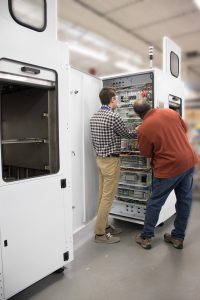
That input may uncover issues with manufacturability, sourcing, assembly, testing, tooling, or quality requirements that are easier to address before the product is fully released. Waiting until after design freeze can limit the available options and make changes more disruptive to schedule, cost, documentation, and qualification activities.
The goal is not to involve manufacturing as early as possible just for the sake of it. The goal is to involve the right manufacturing resources early enough to influence decisions that will affect production later.
For complex products, that often means bringing manufacturing into NPI before pilot production, while there is still time to refine the design, close documentation gaps, and address manufacturing risks before release. OEMs that need coordinated engineering and manufacturing support through this transition can learn more about PEKO’s New Product Introduction Services.
Moving From Prototype to Production
Moving from prototype to production is usually a progression rather than a single handoff.
As the product moves through NPI, drawings and BOMs become more stable, suppliers and materials are established, manufacturing processes are documented, tooling and fixtures are proven, and quality and test requirements become more clearly defined. Findings from engineering and pilot builds are incorporated back into the product and process.
For complex products, this transition often takes place across several controlled builds. Each build provides additional information about manufacturability, repeatability, quality, labor requirements, material availability, testing, and production capacity.
Once the product and manufacturing process are stable enough to support consistent builds, the program can move toward production release. At that point, the focus begins to shift from proving production readiness to establishing the capacity, resources, and controls needed to increase output at the required production rate.
NPI Manufacturing FAQs
Is NPI manufacturing the same as product development?
No. Product development is primarily focused on defining, designing, and proving the product. NPI manufacturing is focused on preparing that product and its manufacturing process for repeatable production. The two often overlap as a product approaches launch.
Is a successful prototype enough to start production?
Not always. A prototype may prove that the product works without proving that the drawings, BOM, supply chain, assembly process, tooling, quality controls, and testing are ready for repeatable builds.
What is the difference between a prototype build and a pilot build?
A prototype is typically focused on product learning and technical validation. A pilot build is more production-oriented and is used to evaluate whether both the product and the manufacturing process are ready to move forward.
How do you know when a product is ready for pilot production?
A product is generally ready for pilot production when the design and documentation are mature enough to support a controlled build, key sourcing and tooling needs have been addressed, and quality and test requirements are sufficiently defined to evaluate both the product and manufacturing process. Pilot production may still uncover issues, but the build should be structured enough to determine what remains before production release.
What should be established before production release?
Before production release, the product definition, drawings, BOMs, manufacturing processes, tooling, sourcing approach, quality requirements, and test methods should be sufficiently controlled to support consistent builds. Open issues may still require monitoring, but the production team should not depend on undocumented engineering knowledge or prototype-era workarounds to build and verify the product.
Preparing to Move from Prototype to Production?
If your product is moving beyond development prototypes and toward pilot production, launch, or ongoing manufacturing, the next step is determining what still needs to be addressed before the product and manufacturing process are ready for repeatable builds.
PEKO supports OEMs through the transition from prototype to production, bringing engineering and manufacturing resources together to address product documentation, manufacturability, sourcing, tooling, testing, quality, pilot production, and production planning.
PEKO’s free NPI Self-Assessment Checklist can also help your team evaluate its current readiness and identify potential gaps before moving forward with production.
Download the NPI Self-Assessment Checklist below.