

A product can be well-designed and still be frustrating to build. Parts may be difficult to reach, fasteners may be hidden, components may need manual alignment, or the assembly sequence may rely too heavily on operator judgment.
That is where Design for Assembly, often shortened to DFA, becomes useful. DFA helps engineering teams think through how a product will be assembled before the design is released for production. The goal is to make the build clearer, more repeatable, and less dependent on workarounds.
For OEMs building machinery, equipment, fabricated structures, mechanical assemblies, and electromechanical systems, assembly is rarely a simple final step. It is a major part of the production process. Design for assembly helps teams reduce avoidable build complexity while preserving product function, quality, safety, and serviceability.
What Is Design for Assembly?
Design for assembly is an engineering approach focused on making products easier and more consistent to assemble. It looks at how parts are handled, oriented, located, fastened, inspected, tested, and built into the final product.
A good DFA review asks questions such as:
- Can the part be installed easily and correctly?
- Can the assembler reach the fasteners, interfaces, and inspection points?
- Is the build sequence logical?
- Can hardware be reduced or standardized?
- Are fixtures, templates, or locating features needed?
- Can the design prevent incorrect installation?
- Are work instructions clear enough to support repeatable builds?
In other words, DFA is about making the assembly process easier to understand and easier to repeat.
Why DFA Matters in Manufacturing
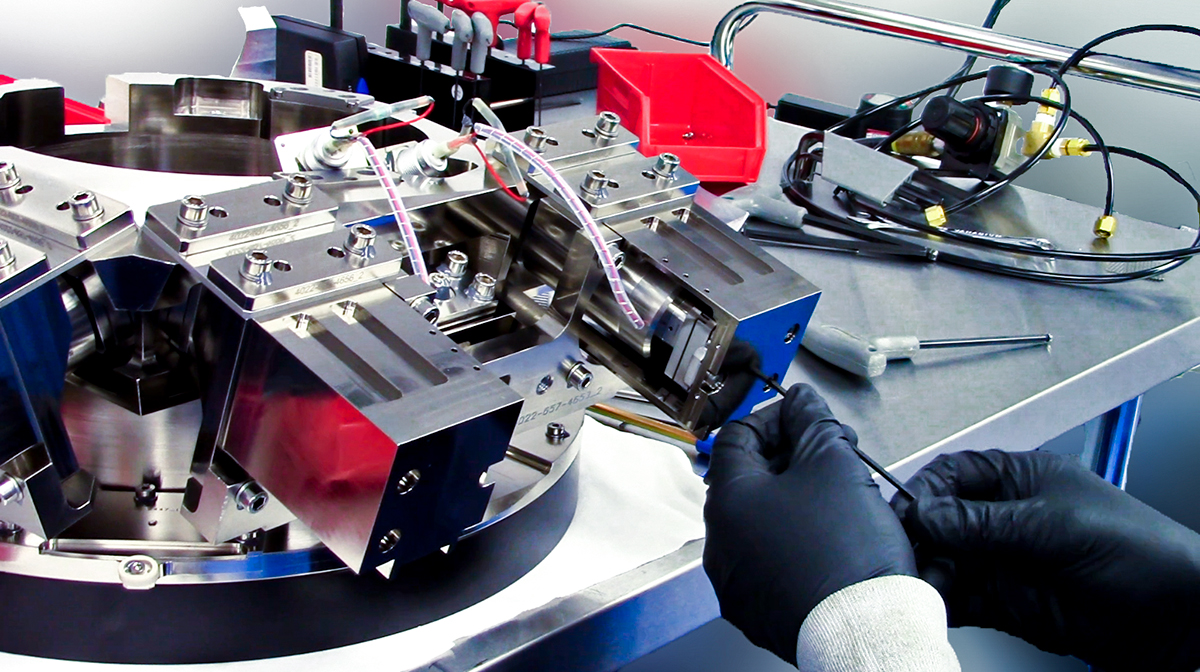
In production assembly, small design choices can have a large effect on cost, quality, and build consistency. A hidden fastener, awkward orientation, unclear subassembly, or missing fixture detail may not seem significant in CAD, but it can slow the build every time the product is assembled.
This is where DFA manufacturing considerations become important. For a prototype, those issues may be manageable. For recurring production, they can lead to inconsistent builds, rework, quality variation, longer assembly times, and training challenges.
Good DFA engineering helps reduce those risks by bringing assembly input into the design conversation earlier. By applying design for assembly principles early, teams can make assembly needs part of the design conversation instead of treating them as production problems to solve later.
For complex OEM products, that can support:
- fewer unnecessary assembly steps
- lower hardware variation
- better tool access
- more repeatable alignment
- reduced risk of incorrect installation
- clearer work instructions
- better inspection and test access
- smoother production ramp
The value is not only speed. A product that is easier to assemble is often easier to inspect, troubleshoot, document, and build consistently.
How DFA Connects to DFM And DFMA
Design for Assembly is one part of a broader design-for-production approach. While DFM helps teams evaluate how individual parts will be manufactured, DFA focuses on what happens after those parts are made: how they are handled, oriented, joined, inspected, tested, and built into the final product.
DFMA brings those two views together. For complex OEM products, the manufacturing method and assembly strategy often influence each other. A part may be easy to fabricate but difficult to install, or a simplified assembly may require a component that is more difficult to manufacture.
That is why DFA should not be treated as an afterthought. Assembly-focused design decisions can affect labor time, build consistency, inspection access, serviceability, and production ramp.
Design for Assembly Principles for Complex OEM Products
The most useful design for assembly principles help engineers reduce avoidable assembly complexity without compromising product function, safety, quality, or serviceability.
Reduce Unnecessary Part Count
Every part adds handling, sourcing, inventory, documentation, and assembly effort. Reducing part count can simplify the build, but the goal is not always the fewest possible parts. The goal is a simpler, more reliable assembly.
A combined part still needs to be practical to manufacture, inspect, service, and replace. If part reduction creates a harder production problem elsewhere, it may not be the right DFA decision.
Standardize Hardware Where Practical
Fasteners, washers, inserts, brackets, spacers, and purchased components can multiply quickly across a machine or subassembly. Standardizing hardware can reduce picking errors, simplify purchasing, and make work instructions easier to follow.
For larger equipment builds, standardization can also reduce the number of tools required on the floor and make assembly training more consistent.
Make Parts Easy to Orient & Install
Parts should be easy to identify, orient, locate, and install correctly. If a component can be installed backward, upside down, or in the wrong position, the design creates avoidable risk.
Asymmetric features, keyed geometry, labels, locating pins, tabs, slots, and visual cues can help guide the assembler and reduce mistakes.
Improve Access for Tools, Hands, & Inspection
A product may be technically buildable but still difficult to assemble if operators cannot reach the work area. Tight clearances, hidden fasteners, blocked inspection points, or awkward torque access can slow production and increase variation.
DFA engineering should evaluate whether assemblers have the tool access needed to reach, align, fasten, torque, inspect, test, and service the product without unnecessary difficulty.
Design for Repeatable Alignment
Manual alignment can slow assembly and introduce variation between units. Self-locating features, datum points, fixtures, templates, pins, bosses, tabs, and slots can help parts locate consistently before fastening or inspection.
This is especially useful for frames, enclosures, equipment structures, and assemblies with critical interfaces.
Mistake-Proof the Assembly
Strong DFA principles reduce opportunities for incorrect assembly. Poka-yoke features, one-way fit, unique hole patterns, keyed connectors, and clear part orientation can help prevent errors before they become rework or quality issues.
Design for Assembly Guidelines Before Production
Before a product moves closer to production, teams should review the design from the perspective of the person building it repeatedly.
Useful design for assembly guidelines include asking:
- Can the number of parts or fasteners be reduced?
- Can hardware be standardized?
- Can parts be installed in only one correct way?
- Do operators have enough access and clearance?
- Is the build sequence clear?
- Are subassemblies structured logically?
- Are fixtures, tools, or templates needed?
- Are inspection and test points accessible during assembly?
- Are work instructions clear enough for repeat production?
- Can the product be serviced without unnecessary disassembly?
Applied early, these design for assembly guidelines help teams catch assembly issues before they become locked into fixtures, work instructions, inspection steps, or production flow.
Common Issues DFA Can Help Prevent
DFA is especially useful when products have recurring assembly pain points. Common problems include excessive hardware, too many unique fasteners, poor tool access, hidden interfaces, unclear build sequence, inconsistent alignment, missing fixture requirements, and work instructions that depend on tribal knowledge.
These issues may not be obvious during early design. They often appear later, when the same product has to be built repeatedly by different people, on a schedule, with consistent quality expectations.
Applying design for assembly principles before pilot builds or recurring production can help teams address those risks while there is still room to improve the design, documentation, or build strategy.
Where DFA Fits in Product Development
DFA is most valuable before the product is released for production, but it can support multiple stages of the product lifecycle.
During early design, DFA can shape product architecture, part count, hardware strategy, and subassembly structure. During prototyping, it can reveal awkward handling, unclear orientation, or access problems. During new product introduction, it can help refine work instructions, inspection points, fixtures, and build sequence.
For mature products, DFA may support cost-down, quality improvement, or continuous improvement when recurring assembly issues are slowing production.
How PEKO Supports DFA Engineering
PEKO supports DFA engineering for OEMs developing complex machinery, equipment, assemblies, fabricated structures, and electromechanical systems. Our teams understand how design decisions affect real assembly work, including hardware selection, access, build sequence, fixture needs, inspection points, testing, and work instructions.
Because PEKO supports engineering, manufacturing, assembly, inspection, testing, supply chain, and program management, we can evaluate assembly challenges with the full production path in mind.
For OEM teams preparing a product for NPI, production transfer, contract manufacturing, or ramp, PEKO can help identify practical ways to improve assembly repeatability while preserving product function and quality.
Talk with PEKO about DFA engineering support for your product or program.