

When an OEM transfers production from an existing supplier, internal facility, or development environment to a contract manufacturer, the design package has to do more than describe the product. It has to give the new manufacturing team enough information to quote, source, build, inspect, assemble, test, and ramp the program with fewer unknowns.
That is where a DFM review, or design for manufacturing review, can help. Before production transfer, a contract manufacturer can review the design package for manufacturability, documentation gaps, sourcing concerns, assembly risks, inspection requirements, and production-readiness issues.
This type of manufacturability assessment is not a generic design exercise. It is a practical transfer-readiness review focused on one question: what could slow the handoff, increase cost, create quality issues, or require engineering clarification once the program moves to the new manufacturing environment?
For complex equipment, machined components, sheet metal fabrications, mechanical assemblies, and electromechanical systems, DFM feedback from the contract manufacturer can help OEMs reduce surprises before supplier transition, pilot build, or production ramp.
Why Production Transfer Creates Risk
A product that has been built successfully by one team is not always easy for another team to take over. The original supplier or internal team may rely on fixture assumptions, preferred vendors, inspection habits, undocumented assembly steps, or informal workarounds that never made it into the drawing package.
When a contract manufacturer receives the program, those missing details can create delays and ambiguity. The new team needs to understand not only what the product is, but how it should be built, sourced, inspected, assembled, tested, and controlled.
Common transfer risks include:
- drawings that leave room for interpretation
- bills of material that do not reflect the latest build
- tolerances that are difficult to hold or inspect
- material or purchased-part sourcing concerns
- assembly steps that rely on tribal knowledge
- missing fixture, tool, or template requirements
- unclear inspection or test requirements
- supplier assumptions that do not transfer cleanly
- known build issues that were never formally resolved
A DFM review helps surface these issues before they become quoting delays, supplier questions, build interruptions, or ramp problems.
What a Contract Manufacturer Evaluates During a DFM Review
When a program is moving to a contract manufacturer, a DFM review should answer a specific question:
Is this product ready to be manufactured by a new team, in a new environment, with the documentation and controls currently available?
To answer that, a contract manufacturer may review:
Design Package Readiness
This includes drawings, CAD files, bills of material, specifications, revision history, work instructions, inspection plans, test requirements, and known build history. The goal is to identify missing, outdated, or inconsistent information before it slows quoting, sourcing, onboarding, or production.
Manufacturing & Process Fit
Some parts may be difficult to machine, fabricate, weld, form, finish, or inspect as currently specified. A contract manufacturer can evaluate whether the design aligns with its equipment, process capabilities, tooling assumptions, fixture needs, and production workflow.
Tolerance & Inspection Requirements
Tolerances may be tighter than needed, unclear, or difficult to verify with the planned inspection method. The DFM review can help clarify which features are critical to function and which requirements may create avoidable inspection burden, rework, or cost.
Sourcing & Supplier Constraints
Material callouts, purchased components, or legacy supplier preferences may create lead-time or availability concerns. This becomes especially important when the program is moving away from an established supplier or internal sourcing model.
Assembly & Build Sequence
A product may be manufacturable at the part level but difficult to assemble repeatably. Hardware selection, tool access, alignment, fixture needs, subassembly strategy, work instructions, and test points can all affect whether a contract manufacturer can ramp the program smoothly.
How DFM Feedback Supports Supplier Transition
The value of a contract manufacturer’s DFM review is not just finding issues. It is turning those findings into practical manufacturability feedback that the OEM can act on before transfer.
Good DFM feedback should clarify what creates risk, why it matters, and what needs to be resolved before the program moves forward. For example, the feedback may show where a drawing needs more detail, where a tolerance may create inspection difficulty, where a material could affect lead time, or where an assembly step needs better documentation.
This design for manufacturing feedback can help OEM teams:
- reduce back-and-forth during quoting and onboarding
- clarify design and documentation requirements before transfer
- align engineering, sourcing, quality, and manufacturing stakeholders
- identify issues that could affect first builds or pilot runs
- decide which updates should happen before ramp
- give the new contract manufacturer a cleaner production handoff
The best feedback is specific enough to support a decision. It should help the OEM determine whether to revise the design, clarify the documentation, adjust sourcing assumptions, update inspection requirements, or proceed with known risks.
When OEMs Should Request a DFM Review
OEMs should request a DFM review before transferring production to a contract manufacturer whenever the design package, sourcing plan, or build process needs to be understood by a new manufacturing team.
Common triggers include:
- moving production from one supplier to another
- outsourcing production from an internal facility to a contract manufacturer
- transferring a prototype or pilot build into recurring contract manufacturing
- reshoring or nearshoring production with a new manufacturing partner
- changing suppliers for key materials, components, or fabricated assemblies
- scaling production volume after a process was built around low-volume or internal builds
- reducing cost before ramping with a contract manufacturer
- addressing recurring quality, fit, tolerance, or assembly issues before transfer
- recovering a program with incomplete drawings, BOMs, work instructions, or inspection documentation
The best time is before purchase orders, tooling decisions, supplier commitments, or ramp deadlines limit the team’s flexibility.
What Happens During a Transfer-Focused DFM Review?
A contract manufacturer’s DFM review should be structured enough to identify meaningful transfer risks, but flexible enough to account for the product, manufacturing process, production volume, and handoff goals.
A typical review may include:
- Design Package Intake: Drawings, CAD files, bills of material, specifications, work instructions, inspection requirements, and known build history are reviewed for completeness.
- Manufacturability Assessment: Engineers evaluate how design decisions may affect fabrication, machining, welding, assembly, finishing, inspection, sourcing, and repeatability.
- Handoff Gap Review: The team identifies missing or inconsistent information that could slow supplier onboarding or create production questions.
- Risk Prioritization: Issues are separated by urgency, such as critical transfer risks, recommended updates, and lower-priority improvement opportunities.
- Actionable DFM Feedback: The output may include drawing updates, tolerance clarification, material considerations, assembly recommendations, inspection notes, fixture needs, or open questions to resolve before transfer.
- Production Planning Input: Findings can support quoting, sourcing, supplier onboarding, fixture planning, inspection planning, assembly documentation, and ramp preparation.
The goal is to move from a package that may have worked in one environment to a package that a new contract manufacturer can build from with fewer assumptions.
FAQ on Transfer-Focused DFM Review
Why Should a Contract Manufacturer Assist With a DFM Review?
A contract manufacturer can review the design package through the lens of actual production. This helps identify issues that may affect quoting, sourcing, fabrication, machining, assembly, inspection, testing, and ramp before the program is transferred.
What Kind of DFM Feedback Should an OEM Expect?
DFM feedback may include drawing updates, tolerance concerns, material or sourcing considerations, documentation gaps, assembly risks, inspection requirements, fixture needs, and production-readiness recommendations.
Does Every Production Transfer Need a DFM Review?
Not every transfer requires the same level of review, but most complex OEM programs benefit from some form of manufacturability assessment. The need is greater when the product involves multiple manufacturing processes, tight tolerances, custom components, assembly steps, inspection requirements, or incomplete documentation.
How PEKO Supports DFM Reviews Before Production Transfer
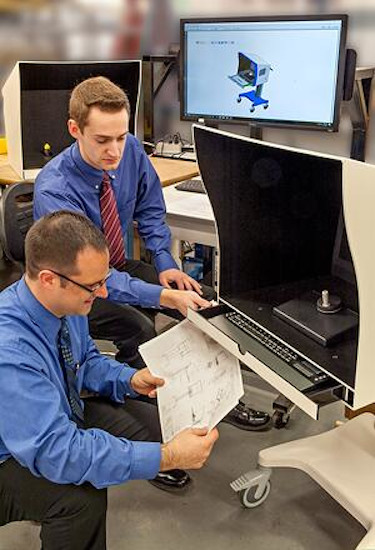
PEKO supports OEMs that are transferring complex programs from another supplier, internal production environment, or prototype build into contract manufacturing. Our engineers work with manufacturing, assembly, inspection, testing, supply chain, and program management teams to evaluate how design decisions affect production execution.
For complex equipment, assemblies, fabricated structures, machined components, and electromechanical systems, PEKO can review the design package for manufacturability, documentation completeness, assembly readiness, sourcing concerns, inspection requirements, and production-readiness risks.
Because PEKO supports both engineering review and contract manufacturing execution, our feedback is grounded in how products are actually built. We can help OEM teams identify practical next steps before a program moves into supplier transition, pilot build, or production ramp.
Talk with PEKO about DFM review support before transferring production to a contract manufacturer.