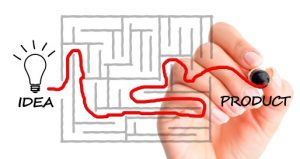


New product introduction is where a product moves from design intent into manufacturing reality. A prototype may prove that the product can function, but that does not always mean it can be built repeatedly, efficiently, and cost-effectively at production volumes.
That is where Design for Manufacturing (DFM) and Design for Assembly (DFA) become important. When applied during NPI, DFM/DFA principles help teams evaluate whether a product is ready to move from prototype builds into repeatable manufacturing.
For OEMs developing complex machinery, equipment, assemblies, or electromechanical systems, DFM and DFA should not wait until production ramp. The earlier these reviews happen, the easier it is to identify manufacturability issues, reduce assembly complexity, improve documentation, and avoid production problems that can delay launch.
Why DFM and DFA Matter During NPI
During early product development, engineering teams are often focused on proving function. They are trying to make the product work, validate performance, meet customer requirements, and move through prototype or alpha builds.
In PEKO’s experience, an estimated 95% or more of new products that come across our desks require some form of DFM feedback before they are ready for repeatable production. That does not mean the design is flawed. It means the product still needs to be reviewed through the lens of manufacturing, assembly, sourcing, inspection, and production readiness.
The timing of these reviews matters because decisions made during design can have an outsized effect on downstream production costs. Approximately 70% of a product’s manufacturing costs can be determined by design decisions, including choices related to materials, manufacturing processes, and assembly.
DFM and DFA help OEM teams address those decisions before late-stage changes become expensive or disruptive. Applied early, DFM/DFA principles can help reduce avoidable cost, improve build repeatability, and create a clearer path from prototype to production.
DFM vs. DFA in the NPI Process
DFM and DFA support different but connected NPI decisions.
- DFM focuses on whether parts can be manufactured efficiently and consistently using the intended processes, materials, tolerances, and inspection methods.
- DFA focuses on whether those parts can be assembled efficiently and repeatably using the right hardware, access, sequence, fixtures, work instructions, and quality checkpoints.
When DFM and DFA are applied together, they support Design for Manufacturing and Assembly (DFMA). During NPI, this combined view helps OEM teams evaluate both sides of production readiness: whether the parts can be made efficiently and whether the full product can be assembled, inspected, tested, and repeated in production.
How DFM Supports Prototype-to-Production Readiness
DFM helps OEM teams evaluate whether a design that worked in prototype form is ready for pilot builds, production transfer, and manufacturing ramp. The goal is to identify design choices that may increase cost, lead time, quality risk, sourcing difficulty, or production complexity before the product moves too far into the NPI process.
During NPI, DFM can help teams evaluate:
- whether the intended manufacturing methods are appropriate for expected production volumes
- whether part geometry, materials, and tolerances support repeatable manufacturing
- whether critical-to-function features are clearly defined and controlled
- whether design choices may increase tooling, setup, inspection, or rework requirements
- whether material availability or sourcing constraints could affect production timing
- whether prototype design decisions need to be refined before pilot build or ramp
Volume is especially important. A process that works for a prototype may not be the best fit for repeatable production. DFM helps teams decide whether a design can stay with the current manufacturing approach or should be adjusted for a more scalable production path.
How DFA Improves Assembly Readiness
DFA helps OEM teams evaluate whether the product can be assembled efficiently, consistently, and with fewer opportunities for error as it moves toward production. This is especially important for complex machinery and equipment, where assembly labor, hardware selection, access, alignment, testing, and documentation can all affect production flow.
During NPI, DFA can help teams evaluate:
- whether hardware counts, fastening methods, or part orientation create avoidable assembly complexity
- whether operators have the access, clearance, and tooling needed for repeatable builds
- whether subassemblies are structured around a logical production sequence
- whether fixture, tool, or template needs are understood before ramp
- whether assembly steps can be mistake-proofed to reduce rework or quality escapes
- whether work instructions, inspection points, and test steps support consistent production
These considerations can make a major difference during pilot builds and ramp. A product that is easier to assemble is often easier to inspect, troubleshoot, document, and build consistently across multiple units.
Applying DFM/DFA Principles During NPI
The most useful DFM/DFA principles during NPI are not abstract design rules. They are practical decision filters that help OEM teams determine whether a prototype design is ready for pilot build, production transfer, or ramp.
During new product introduction, DFM/DFA principles often come down to three questions: what can be eliminated, what can be combined, and what needs to be optimized before production?
Eliminate Unnecessary Complexity
Prototype designs often include added brackets, adapters, temporary hardware, redundant features, or extra components that helped prove function but may not belong in a production-ready build.
During NPI, teams should confirm whether each part, feature, or fastener supports a functional, structural, safety, service, or quality requirement. Removing unnecessary complexity before pilot or production builds can reduce sourcing effort, assembly time, inspection burden, and potential failure points.
Combine Parts & Features Where It Supports Production
As a design matures, some parts or features may be candidates for consolidation. Combining components can reduce hardware, simplify purchasing, improve alignment, and shorten assembly time.
Consolidation should still be reviewed through a manufacturing lens during NPI. A combined part should not create new manufacturing challenges, tighter tolerances, longer lead times, or more difficult inspection requirements. The goal is to simplify the production package without creating a harder part to manufacture.
Optimize the Details That Affect Production Readiness
Not every part can or should be eliminated or combined. Many NPI improvements come from refining the details that affect production execution.
This may include clarifying critical-to-function features, adjusting tolerances, standardizing hardware, improving assembly access, defining fixture needs, strengthening work instructions, or moving inspection points earlier in the build sequence.
These refinements help teams move from a working prototype to a design package that is ready for transfer, pilot build, and ramp.
Where DFM and DFA Fit in the NPI Process
DFM and DFA can support multiple points in the new product introduction process. The earlier they begin, the more flexibility teams usually have to make changes without disrupting launch plans.
The same DFM/DFA principles should be revisited at each stage, but the focus changes as the product matures. Early reviews may focus on design feasibility, while later reviews often focus on documentation, assembly sequence, inspection planning, supplier readiness, and ramp risk.
Prototype & Alpha Builds
During prototype and alpha builds, teams are usually focused on validating function. DFM and DFA can provide early feedback by identifying design choices that may become production issues later.
Examples include difficult-to-source materials, excessive custom parts, tight tolerances, unclear datum structures, limited assembly access, or features that may require complex fixturing.
Pilot Builds
Pilot builds are a critical point for DFM and DFA because the team can observe how the design performs in a more realistic manufacturing environment. This is where assembly sequence, inspection points, tooling needs, documentation gaps, and build repeatability become more visible.
Feedback from pilot builds can help refine drawings, bills of material, work instructions, fixtures, test requirements, and supplier assumptions before production ramp.
Production Transfer
When a product transfers from one supplier, internal facility, or development environment to another manufacturer, DFM and DFA can help evaluate whether the design package is ready for the new production environment.
This may include reviewing CAD files, drawings, specifications, bills of material, assembly documentation, inspection requirements, tooling assumptions, supplier constraints, and known build issues.
Production Ramp
During ramp, small design or documentation issues can create larger problems. DFM and DFA support can help identify recurring assembly constraints, quality issues, inspection delays, sourcing problems, or process inefficiencies that affect throughput and consistency.
At this stage, the focus may shift from major design changes to practical refinements that improve build flow, quality, and repeatability.
Common NPI Risks DFM and DFA Can Help Identify
DFM and DFA are useful during NPI because they help teams find production risks before they become production problems. These risks often become visible as the product moves from prototype to pilot build, transfer, or ramp.
Common issues include:
- parts that are difficult or expensive to manufacture at expected volumes
- materials that create cost, availability, or lead-time concerns
- tolerances that are tighter than the function requires
- unclear critical-to-function features
- too many custom components or excessive hardware counts
- poor tool access or assembly constraints
- parts that can be installed incorrectly
- missing or incomplete work instructions
- insufficient fixture or template planning
- inspection points that occur too late in the build
- drawings, specifications, or bills of material that do not support the intended production process
These issues are easier to address during NPI than after a product is already in production. Once suppliers, tooling, fixtures, inspection plans, and work instructions are established, even small changes can affect cost, timing, and approvals.

How PEKO Supports DFM and DFA During NPI
PEKO supports NPI programs by connecting engineering feedback with manufacturing execution. Our engineers apply DFM/DFA principles alongside manufacturing, assembly, quality, tooling, supply chain, and program management teams to evaluate how design decisions affect the full production path.
That cross-functional input is important because DFM and DFA require more than a drawing review. For complex OEM products, useful DFMA feedback often comes from the people who understand machining, sheet metal fabrication, welding, assembly, inspection, testing, sourcing, fixtures, and production documentation.
PEKO can help OEM teams use that feedback to strengthen the design package before production, including:
- clarifying design or documentation gaps
- identifying manufacturability and assembly risks
- refining tolerance, material, and process assumptions
- improving hardware, fixture, and build-sequence planning
- strengthening inspection, test, and work instruction requirements
- preparing the product for pilot build, transfer, or ramp
This helps OEM teams make more informed decisions before the product enters production, transfer, or ramp.
DFM and DFA Help Turn Product Development into Production Readiness
NPI is not only about proving that a product works. It is also about preparing that product to be manufactured, assembled, inspected, tested, and delivered repeatedly.
DFM and DFA help OEM teams identify the design and process issues that can stand between a successful prototype and a successful production program. By reviewing manufacturability and assembly readiness earlier, teams can reduce avoidable cost, improve quality, simplify builds, and create a stronger path to production.
If your team is preparing a complex product for NPI, production transfer, or manufacturing ramp, PEKO can help evaluate the design and identify practical next steps.
Talk with PEKO about DFMA engineering support for your NPI program.