

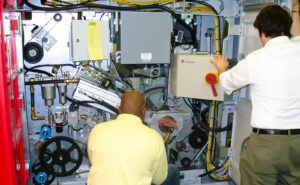
 PEKO provides machine automation engineering services for OEMs developing custom equipment, automated stations, robotic systems, material handling equipment, and integrated machine platforms.
Our team helps define the automation architecture behind a custom machine before the equipment moves into build, wiring, integration, and test. That may include controls strategy, electrical architecture, programmable logic controller (PLC) and human-machine interface (HMI) planning, sensors, actuators, robotics, motion, safety devices, panel layout, wiring, and system integration requirements.
Because PEKO supports custom machine building and contract manufacturing under one roof, our engineering recommendations are grounded in how the machine will actually be assembled, wired, debugged, tested, and supported.
Automation Engineering Services for Custom Machine Programs
Automation engineering defines how a machine senses, moves, controls, sequences, verifies, and responds. PEKO’s automation engineering services help OEM teams clarify those requirements before design gaps become build, integration, or test issues.
PEKO may support:
- automation requirements review
- controls strategy and system architecture
- machine sequence and process logic review
- operator interface requirements
- safety and interlock considerations
- fault, alarm, recovery, and maintenance planning
- integration and factory acceptance test planning
This support is especially useful when an OEM has a machine concept, process requirement, or early design package but needs help defining the automation system that will make the equipment function reliably.
 Controls, Electrical, Robotics, & Sensor Planning
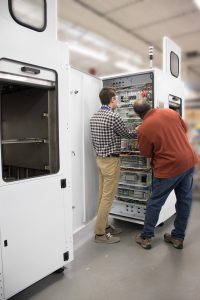
A custom machine automation system depends on more than a PLC program. Controls hardware, electrical architecture, sensors, actuators, robotics, motion components, safety devices, and operator interfaces all need to work together with the machine’s mechanical design and process requirements. PEKO can support planning for:
- PLC hardware and input/output (I/O) requirements
- HMI screens and operator interaction
- sensors and field devices
- servo, motion, pneumatic, hydraulic, or actuator requirements
- robotics and end-of-arm tooling interfaces
- electrical schematics and control panel layout
- wiring, cabling, and machine electrical integration
- safety devices, guarding interfaces, and interlocks
- data acquisition or process monitoring needs
- machine vision or inspection inputs, when applicable
Learn More About Controls Engineering
Custom Machine Automation Before Build, Integration, & Test
For custom machine automation programs, automation decisions should be reviewed before mechanical build, electrical wiring, controls programming, and factory acceptance testing are already in motion.
PEKO helps OEM teams evaluate how the automation system will interact with the machine’s mechanical structure, tooling, fixtures, process steps, operator inputs, part flow, and safety requirements.
That review may include questions such as:
- How will operators load, unload, start, stop, and monitor the machine?
- How will sensors confirm position, presence, alignment, pressure, temperature, or process status?
- How will actuators, servos, pneumatics, hydraulics, robotics, or motion systems move through the required sequence?
- How will the PLC, HMI, safety system, and field devices communicate?
- How will faults, alarms, recovery steps, and maintenance access be handled?
- How will the machine be tested and verified before shipment or production use?
The goal is to reduce late-stage integration risk by making automation requirements clear before the machine is built and debugged.
Integration Planning for Automated Machines
Machine automation engineering also defines how the machine’s subsystems will come together during build and test. PEKO supports integration planning so mechanical, electrical, controls, robotics, sensors, and operator interfaces are aligned before final assembly.
Integration planning may include mechanical-to-electrical interface review, sensor and actuator placement considerations, panel and wiring coordination, PLC/HMI sequence planning, robotic cell or material handling interface review, safety and interlock coordination, test planning, factory acceptance test preparation, and documentation needed for build and handoff.
This helps give engineering, electrical, controls, assembly, and test teams a clearer path to execution.
How Machine Automation Engineering Fits into PEKO’s Ecosystem
Machine automation engineering is focused on the automation architecture behind a custom machine. It is different from, but closely connected to, several related PEKO services.
- Controls engineering supports broader control system work across equipment, assemblies, and integrated systems, including PLCs, HMIs, motion control, machine vision, sensors, power supplies, and control architecture.
- Automation equipment manufacturing supports the physical build, assembly, wiring, integration, factory acceptance testing, and shipment of automation equipment.
- Custom machine design support focuses more on the machine’s mechanical design, structure, layout, tooling interfaces, guarding, and physical machine architecture.
For many OEM programs, these services work together. PEKO can help refine automation requirements, coordinate controls and electrical architecture, plan system interfaces, and then support the downstream build, integration, and test process.
Why OEMs Work with PEKO For Machine Automation Engineering
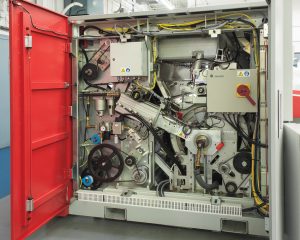 OEMs work with PEKO because our automation engineering services are connected to real machine building and manufacturing execution. Our engineers can coordinate automation requirements with mechanical engineering, controls engineering, electrical integration, assembly, testing, supply chain, quality, and program management. That integrated environment helps keep automation decisions practical for the full machine build, not just the control panel, software layer, or electrical schematic.
PEKO works as a manufacturing and engineering partner, not a product owner. The customer retains ownership of its machine concept, product design, process knowledge, and intellectual property. PEKO uses NDAs for every program and maintains security practices across the organization to help protect proprietary information throughout the machine automation engineering process. This gives OEM teams a secure environment to collaborate on automation requirements, machine sequences, controls architecture, robotics concepts, product handling methods, and other program-specific details.
PEKO supports custom machine automation programs for complex equipment, automated stations, robotic systems, material handling applications, test systems, and integrated machine platforms used in industrial, medical, defense, semiconductor, renewable energy, and telecommunications markets.
Frequently Asked Questions
What Does Machine Automation Engineering Include?
Machine automation engineering includes the planning and specification of the automation systems that make a custom machine operate. This may involve controls strategy, PLC and HMI requirements, sensors, actuators, robotics, motion systems, electrical architecture, I/O planning, wiring, safety devices, machine sequences, alarms, recovery steps, and integration planning.
When Should an OEM Involve PEKO In a Machine Automation Project?
OEMs should involve PEKO before the machine moves too far into build, wiring, programming, or test. Early automation engineering support is useful when requirements are still being defined, when the machine sequence is unclear, when electrical and mechanical interfaces need coordination, or when integration risk needs to be reduced before factory acceptance testing.
What Inputs Are Helpful for A Machine Automation Engineering Review?
Helpful inputs may include machine requirements, process descriptions, cycle time goals, part flow details, existing drawings or models, electrical requirements, preferred controls hardware, safety requirements, operator interface expectations, test criteria, and any known issues with the current design or process.
Can PEKO Also Build and Integrate the Automated Machine?
Yes. PEKO’s custom machine building and automation equipment manufacturing capabilities can support downstream build, wiring, assembly, integration, testing, and factory acceptance testing when the program moves from engineering into execution.
Talk With PEKO About Machine Automation Engineering
If your team is developing a custom machine, automated station, robotic system, or integrated equipment platform, PEKO can help evaluate the automation requirements and identify practical next steps before build and integration.