

 Choosing the right partner for build to print manufacturing isn’t a price exercise—it’s a risk decision. The wrong machine builder can introduce delays, quality escapes, and documentation chaos. The right one replicates your design with traceability, executes FAT/SAT reliably, and scales from NPI to production without constant handholding.
Use the following build to print manufacturing checklist to separate true machine builders from job shops. It covers quality systems, program management discipline, phase-gated NPI, supply-chain control, documentation readiness, and commercial clarity so your team can shortlist with confidence.
Why These Questions Matter for Machinery Build to Print Manufacturing Programs
Strong shortlists succeed when a partner can replicate your design with quality, speed, and traceability—then scale. That requires a structured build to print manufacturing approach: audited quality (ISO 9001/13485/AS9100), formal FAT/SAT, ECO control, and a phase-gated NPI plan that locks work instructions before ramp.
21 Questions to Ask Before You Shortlist a Build to Print Manufacturing Partner
Quality & Compliance
- Which certifications are in scope for our industry (ISO 9001/13485/AS9100)? Can you share current certificates and audit cadence? Look for: formal process approach, incoming/in‑process/final QC with documented control plans.
- How do you structure FAT/SAT? Share a past template and pass/fail criteria. Look for: customer‑approved FAT package and sign‑offs prior to ship.
- What’s your traceability model (lot/serial, travelers, inspection records)? Look for: ERP‑driven records; digital work instructions.
Program Management & Communication
- Who is our single‑threaded PM and what’s the meeting cadence? Look for: weekly status, issue log, change control, and escalation path.
- Which ERP/MRP and document control systems do you use (e.g., Infor CSI/Syteline)? Look for: clear‑to‑build gates and component availability checks that protect build to print manufacturing schedules.
NPI → Production Maturity
- Describe your phase‑gate path (e.g., Phase 0/1/2/3, with defined deliverables). Look for: technical transfer, critical parameters, FMEA, and a structured build/debug/FAT.
- Do you require a qualification order before full rate? Look for: witness builds and training to lock in repeatability for build to print manufacturing.
Capabilities & Capacity
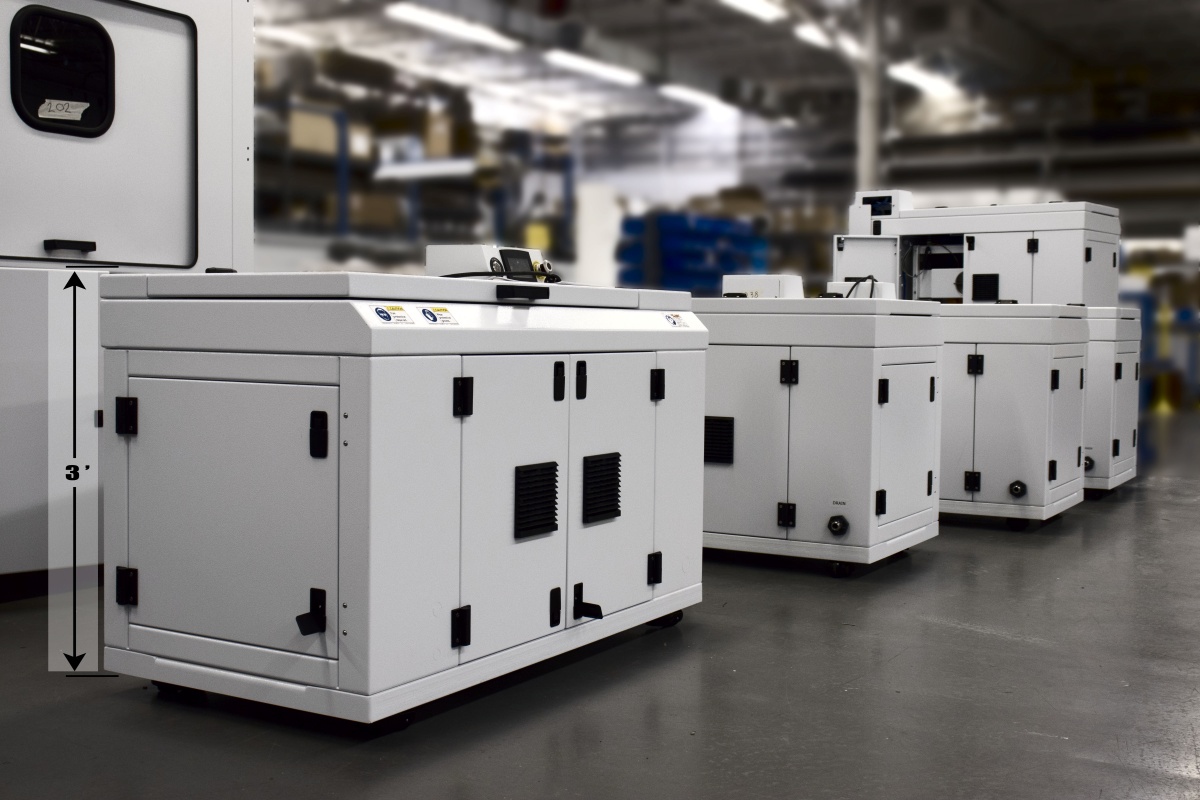
- What can you build in‑house vs. source (frames, sheet metal, CNC, harnesses, cabinets, pneumatics)? Look for: vertically integrated cell layout for full electromechanical builds.
- How many concurrent builds and technicians can you staff per line? Look for: dedicated cells sized to program demand and scale plans.
- Can you handle PLCs/motion/wiring and fluid power? Look for: “build partner” for electro‑mechanical systems—not a from‑scratch custom automation designer.
Supply Chain & Logistics
- How do you manage EOL notices and alternates? Look for: buyer + engineering review and formal customer approval loop.
- Can you run consignment or hybrid BOMs and open‑book pricing? Look for: transparent models, handling fees/markups stated up front.
- What’s your inbound inspection protocol? Packaging, crating, and ship‑in‑place options? Look for: defined pack-out and ex‑works norms that protect build to print manufacturing deliveries.
Engineering Rigor (Even for Build‑To‑Print Manufacturing)
- Will you perform DFMA checks and drawing readiness reviews? Look for: pragmatic feedback on tolerances, datum structure, and testability.
- Do you develop or co‑own work instructions? Look for: scalable documentation that you can audit; ownership clarified in the MSA.
Risk & Change Management
- Show your ECO process (who signs what, when?). Look for: ECO routed via ERP; revision control from PDM/PLM to floor.
- What happens when consigned content is late or non‑conforming? Look for: schedule protections and documented premium/rework policies.
- How do you handle Force Majeure and price volatility? Look for: clear MSA language; CPI/PPI clauses.
Security & IP
- Where is your data hosted and who has access? Look for: U.S.‑based footprint; ITAR/NIST‑aligned policies.
- Who owns native CAD/BOMs and test docs after final payment? Look for: customer ownership of work product in contract language.
Commercial Clarity
- What’s the payment structure across phases? Look for: milestone/deposit terms aligned to NPI→production and cash‑flow clarity for long lead content in build to print manufacturing.
What “Good” Looks Like (Quick Reference)
| Topic | Evidence That Builds Confidence |
| Quality System | Current ISO certs + layered IQC/IPQC/OQC, sample control plan, past audit close‑outs supporting build to print manufacturing repeatability. |
| Phase-Gate | Written Phase 0–3 plan with deliverables, example FAT/SAT packet ready for your product line. |
| ERP Discipline | Infor CSI/Syteline screenshots: CTB status, job travelers, serial traceability that tie to build to print manufacturing lots. |
| Capability Depth | Proof of complex machine builds, harness/cabinet work, frames, sheet metal, CNC; pneumatics and motion integration. |
| Pricing & Terms | Open-book structure, stated handling/consignment fees, transparent markups, and documented change-control language (ECO, rework/premium, CPI/PPI). |
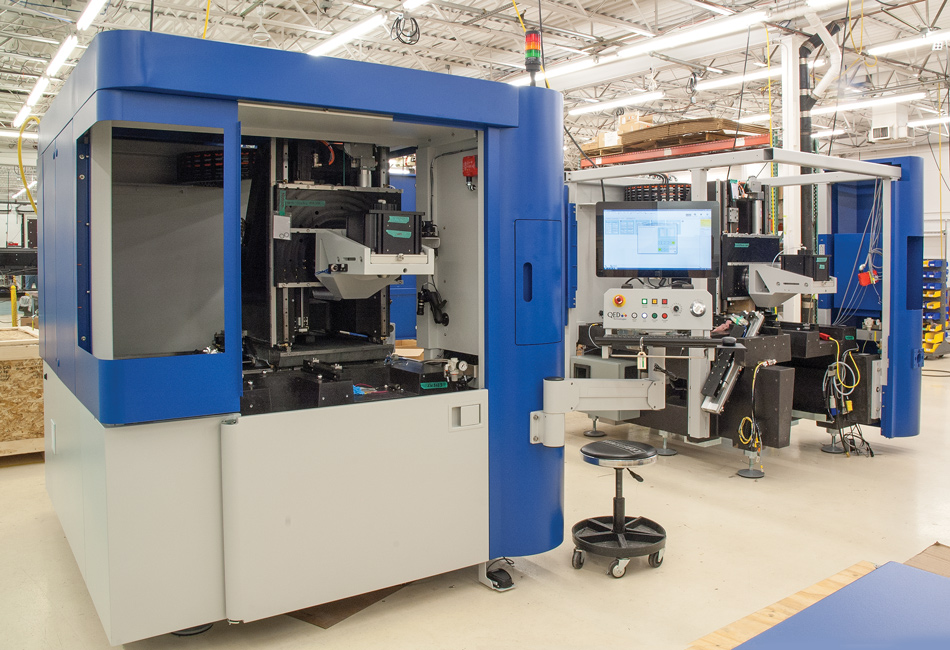
For a deeper primer on scope and roles in build to print manufacturing, see our overview of build to print services for OEMs.
Build to Print Manufacturing: Final Thoughts & Next Steps for Your Machinery Program
You now have a checklist to build a defensible shortlist based on evidence of quality systems, program management discipline, ERP clear-to-build, supply chain control, and proven FAT/SAT.
If you have a defined design and need build to print manufacturing at production quality, let PEKO review your drawing package and FAT requirements together. We can propose a qualification order, schedule, and pricing model that aligns with your ramp. Contact us using the form below to get started.