


PEKO provides prototype development services for OEMs developing complex mechanical, electrical, and electromechanical products with a defined path toward manufacturing. Prototype and engineering builds allow teams to see how a developing design behaves as physical hardware, identify issues that are difficult to resolve in CAD alone, and make informed changes before the program advances into more production-oriented stages of NPI.
Because prototype development takes place within PEKO’s NPI environment, prototype engineering, manufacturing, sourcing, assembly, quality, and test resources remain connected throughout the build. Engineering changes can move directly into hardware, build observations can get back to the engineering team, and what is learned can carry into the next iteration.
What Should a Prototype Build Prove?
A useful prototype starts with a clear question. The purpose is not simply to produce an early version of the product, but to create hardware that helps the team evaluate decisions that still carry technical uncertainty.
Depending on the product and the maturity of the design, a prototype build may be used to:
- Confirm functional performance and critical product requirements
- Evaluate fit, tolerances, and mechanical or electrical interfaces
- Integrate structures, motion, controls, wiring, or other subsystems
- Compare components, materials, or design approaches
- Identify assembly, access, serviceability, or testability issues
- Gather fabrication and manufacturing feedback
- Expose gaps in drawings, BOMs, specifications, or other documentation
- Determine what should change before the next build
The level of prototype fidelity should match the question being answered. A functional prototype may be sufficient for one objective, while an integrated engineering prototype or working prototype may be needed to evaluate interactions across the complete system.
Prototype Engineering & Manufacturing at PEKO
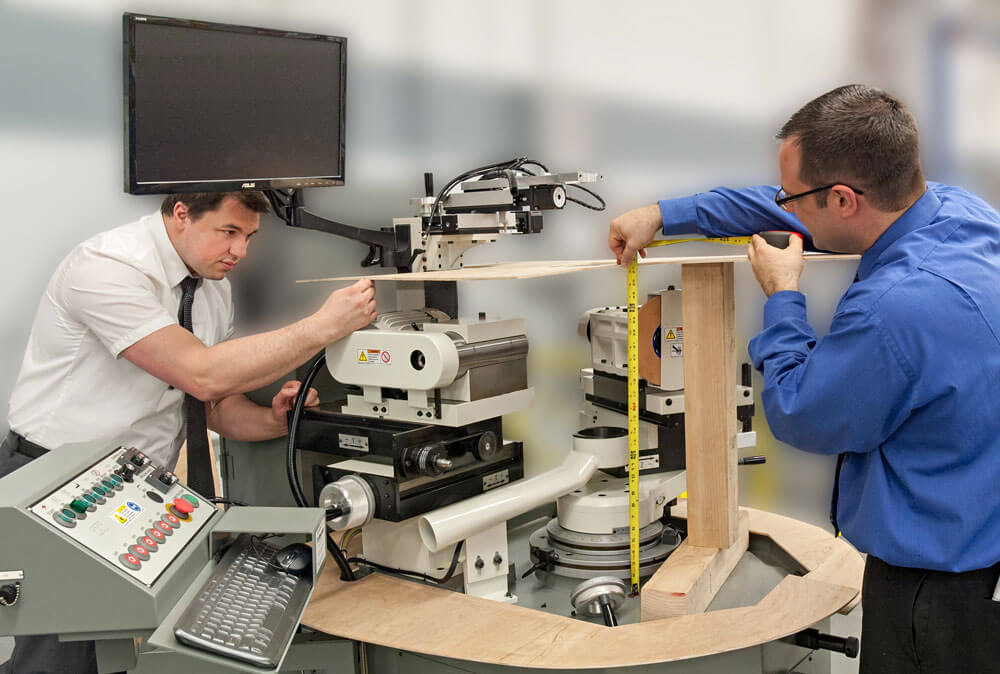
PEKO’s prototype engineering services connect product development with the physical build process, keeping engineers close to the hardware as it is fabricated, assembled, tested, and refined. Because these activities take place within the same NPI program, build observations and test results can feed directly back into engineering decisions and subsequent revisions.
Engineering Prototyping & Functional Builds
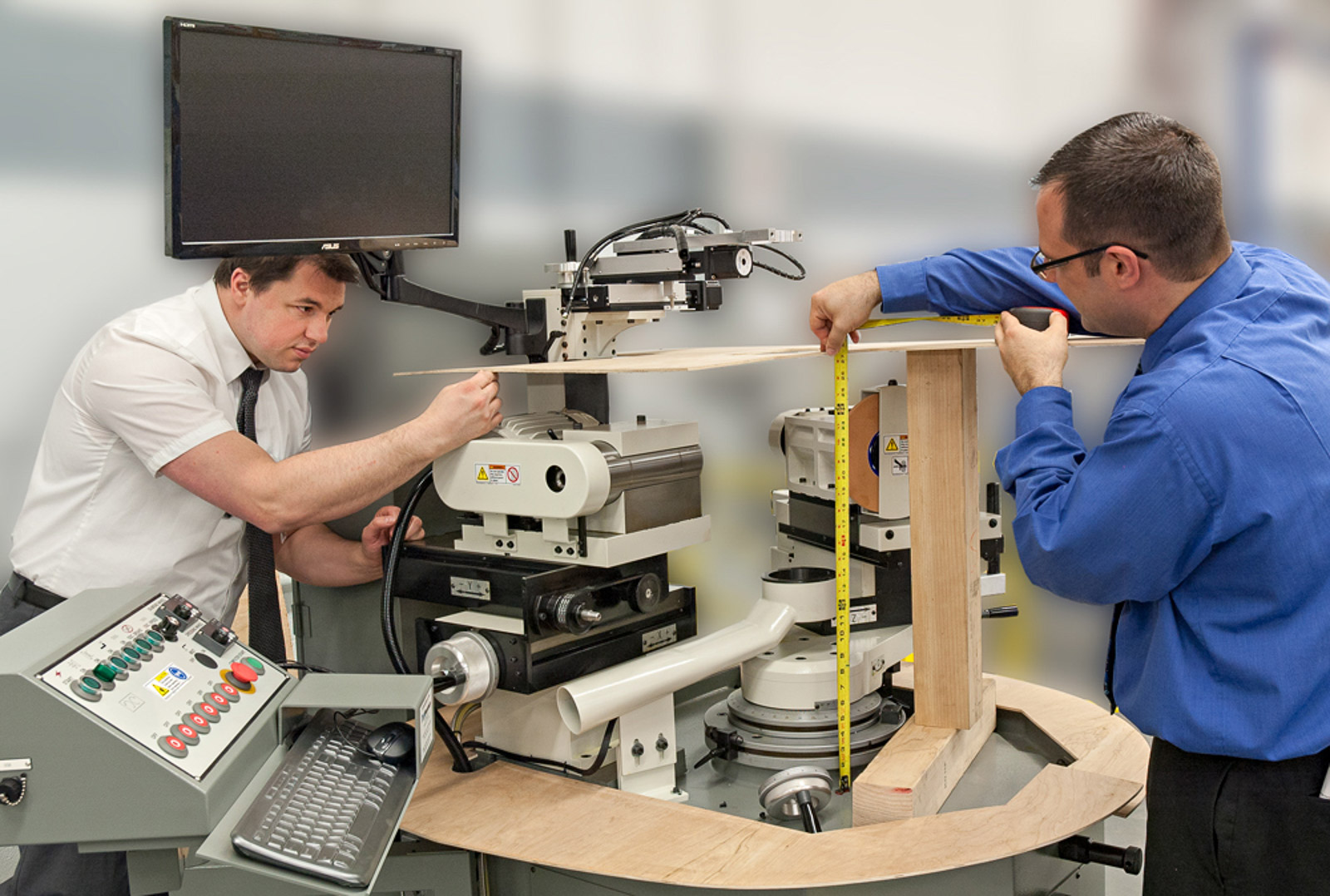
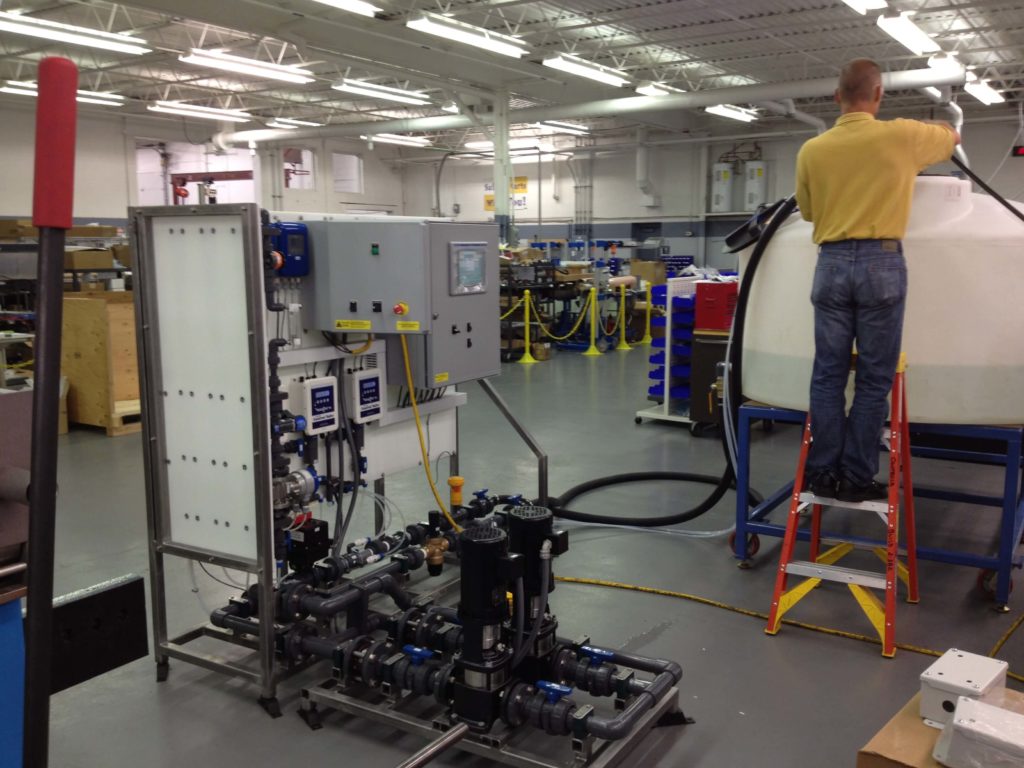
Turn developing designs into physical hardware for functional evaluation and engineering learning. Builds may focus on a mechanism or subsystem, or bring multiple mechanical, electrical, controls, and other elements together when the program needs to evaluate the product at a higher level of integration.
Prototype Manufacturing & Fabrication
PEKO’s prototype manufacturing services support the components and assemblies needed for the engineering build using machining, fabrication, sourcing, and other appropriate manufacturing resources. Unlike prototype services centered on isolated quick-turn parts, the emphasis is on producing hardware that supports the objectives of the larger product-development program.
The approach used to manufacture a prototype can also change as the design matures. Early builds may prioritize flexibility and learning, while later builds may increasingly use materials, components, and methods that better represent the intended production configuration.
Assembly & System Integration
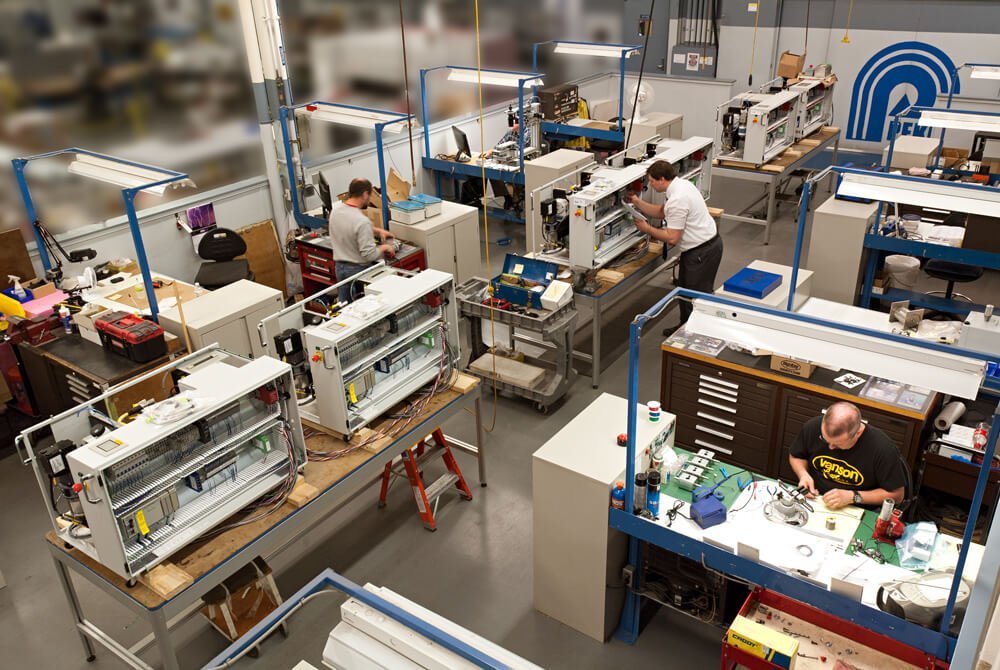
Prototype assembly brings individual parts and subsystems together so the team can evaluate how the complete product behaves under real build conditions. Integration can reveal issues involving fit, access, wiring, routing, motion, controls, assembly sequence, or subsystem interaction that may not be apparent when components are evaluated independently.
Test, Inspection, & Engineering Feedback
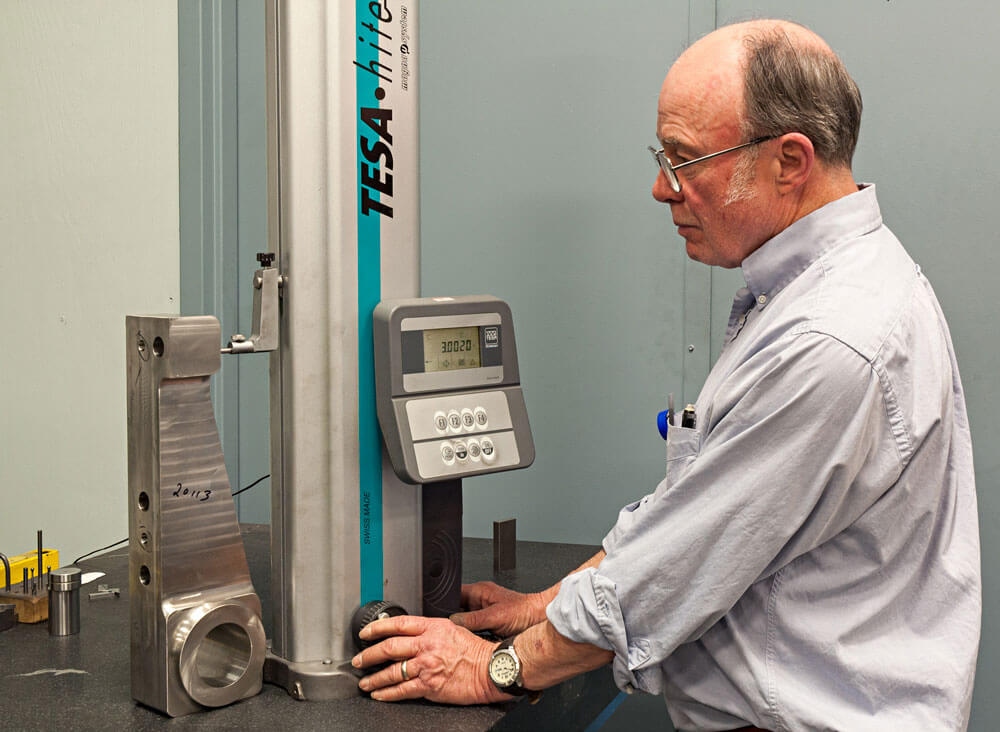
Once assembled, prototype hardware can be inspected and evaluated against the functional requirements, critical parameters, and objectives established for the build. Test results, quality findings, manufacturing observations, and technician input help the engineering team determine what is performing as intended, what still needs refinement, and where additional verification activities may be required before the product advances.
Engineering Revisions & Build Documentation
Findings from the build are then translated into approved engineering changes and updated product documentation. Drawings, BOMs, specifications, models, and other technical information can be revised so the next build reflects what was learned rather than relying on undocumented knowledge from the previous iteration.
From Design Assumptions to Real Hardware Feedback
Many design issues only become clear once a product is physically built.
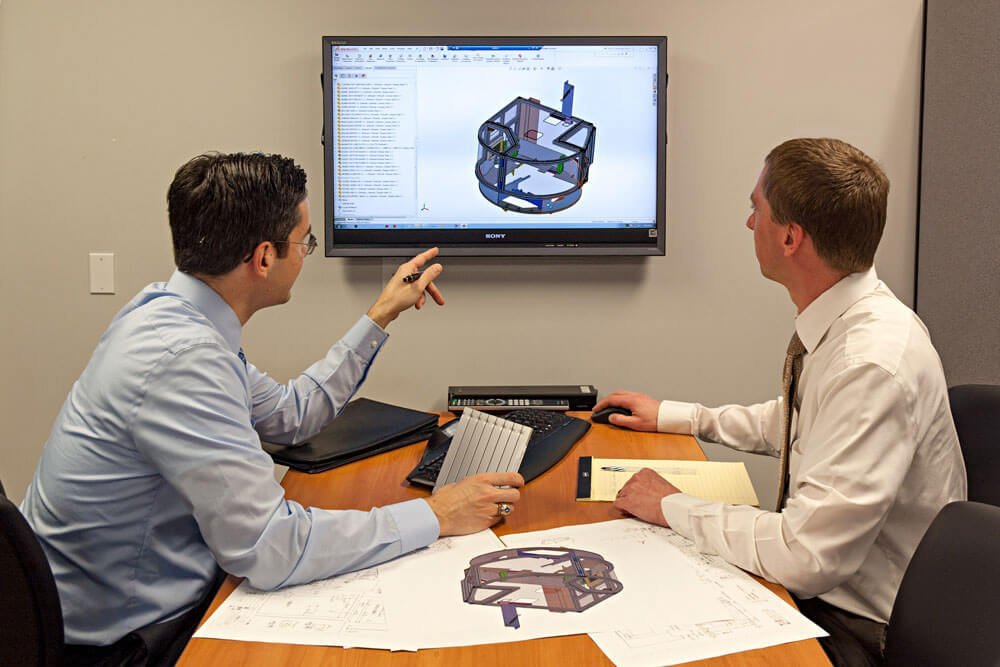
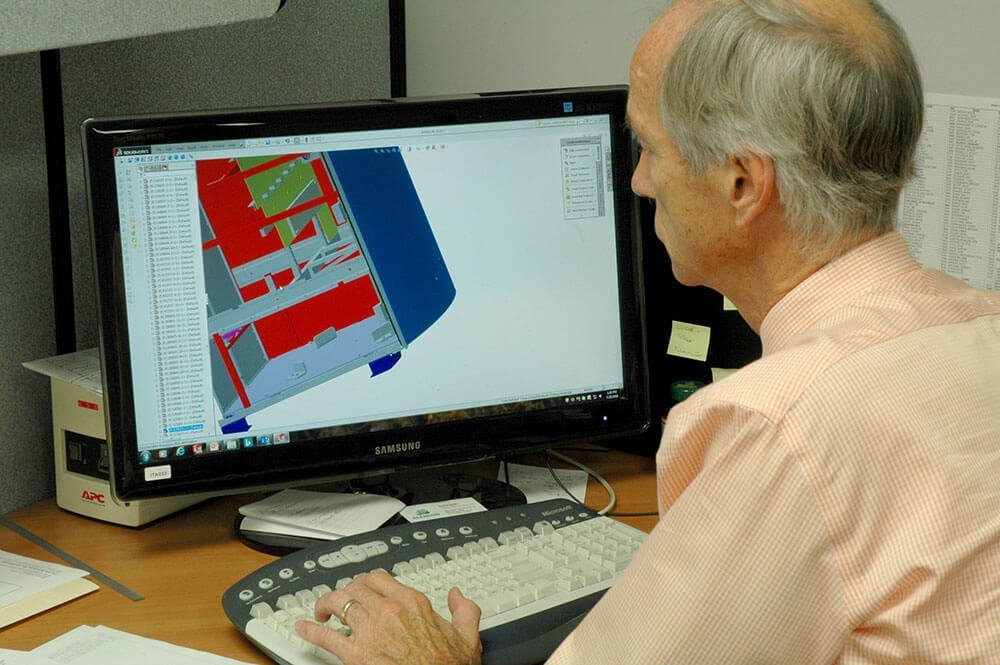
A component may fit in CAD but create an assembly problem. A mechanism may function individually but interfere with another subsystem. A tolerance may be technically achievable but create unnecessary fabrication difficulty. Wiring, access, test points, motion, thermal behavior, or service needs may look acceptable on screen and behave differently in hardware.
Prototype builds give engineers a practical way to expose those issues while changes are still expected.
That feedback loop is a key part of prototyping engineering at PEKO. Engineers refining the design stay connected to the people machining, fabricating, assembling, inspecting, sourcing, and testing the hardware. Their observations can inform design decisions directly, including DFM/DFA considerations, rather than being lost in a handoff between separate engineering and prototype suppliers.
Iterative Prototyping: Build, Test, Refine
Complex products rarely reach the desired configuration in a single prototype build.
An early build may answer one question and reveal another. Test results may lead to changes in geometry, components, controls, materials, tolerances, interfaces, or documentation. A subsequent build can then be used to evaluate whether those changes produced the intended result.
PEKO supports iterative prototyping within the same NPI environment, using a build-test-refine cycle to carry lessons from one build into the next. This helps preserve both the technical reasoning behind engineering changes and the practical manufacturing knowledge gained from working with the hardware.
The number of iterations depends on the product and the issues being resolved. The objective is not to minimize builds at any cost. It is to give each build a defined purpose and use the resulting evidence to reduce uncertainty before the program moves into more controlled production-oriented stages.
When Is a Prototype Ready to Move Forward?
A working prototype is an important milestone, but functionality alone does not mean the product is ready for pilot production.
As prototype objectives are completed, the team should have increasing confidence in the product’s key requirements, interfaces, design decisions, test approach, and manufacturability. Major engineering issues should have a defined path to closure, approved changes should be reflected in the documentation, and the configuration should be becoming stable enough to support more controlled builds.
That is when the emphasis begins to shift from learning primarily about the product to demonstrating that the product and manufacturing process can be executed with greater consistency.
NPI Prototyping for Complex OEM Hardware
PEKO’s product prototyping services are intended for OEMs developing technically demanding physical products—not isolated prototype parts or one-time quick-turn jobs.
Hardware prototyping programs may include complex machinery, precision equipment, medical devices, energy systems, semiconductor equipment, defense products, and electromechanical assemblies that combine structures, precision components, electrical systems, controls, motion, thermal requirements, or integrated testing.
This approach is particularly well suited to new product prototyping where the customer has defined technical objectives and expects the program to continue beyond the first working prototype. For PEKO, new product introduction prototyping is part of a broader NPI effort, allowing the same engineering and manufacturing organization to carry knowledge from early hardware through subsequent builds, pilot production, launch, and ongoing manufacturing.
That continuity gives OEM teams the ability to choose a prototype partner with the manufacturing depth to support what comes after the prototype, rather than planning for another supplier transfer once the design stabilizes.
New Product Prototype Development in Practice
Prototype development is most valuable when the hardware produces information that changes or confirms the engineering direction.
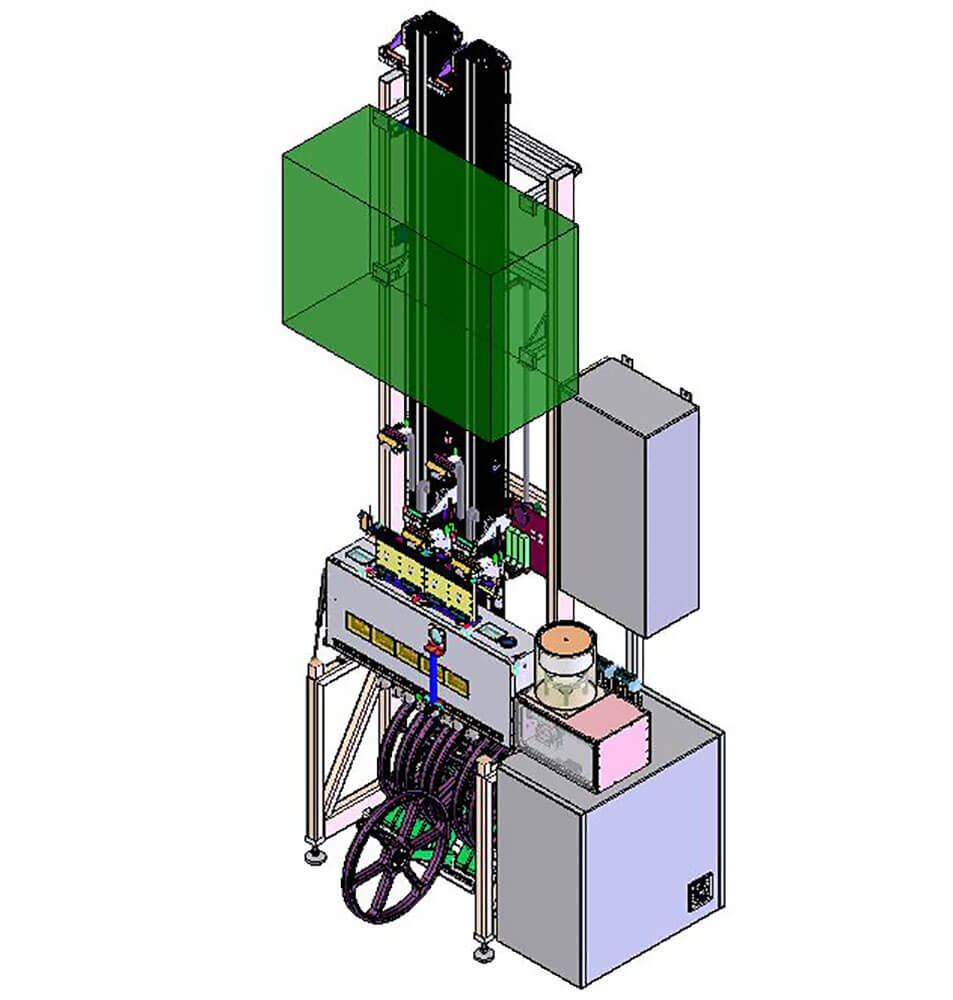
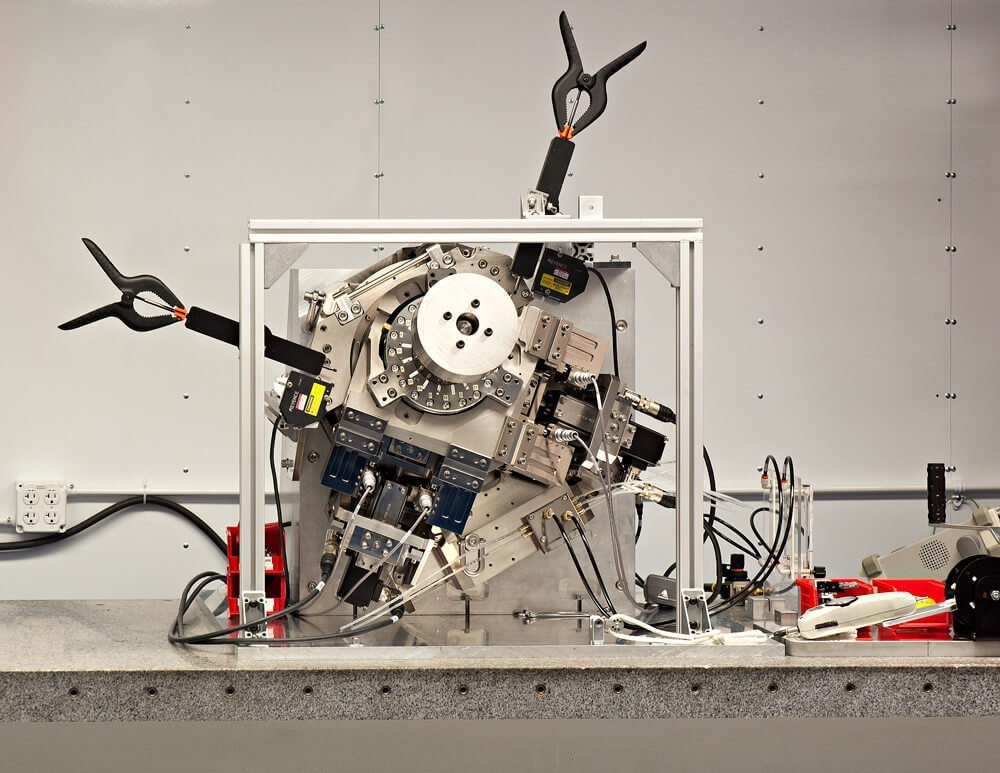
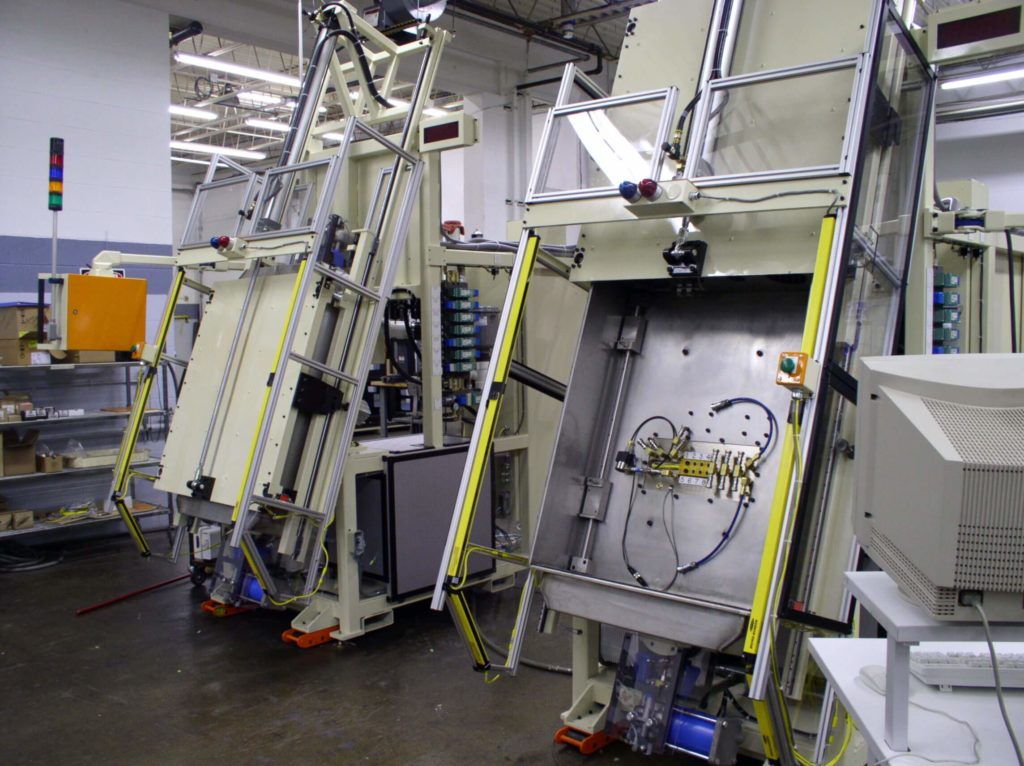
For a next-generation optical manufacturing machine, PEKO worked with the customer’s systems engineers to develop designs and test methods, then designed, built, and tested subassembly prototypes before integrating the refined designs into the complete machine. Engineering learning from those builds carried into pilot and production units, and the program ultimately transitioned into ongoing manufacturing at PEKO.
Prototype Development Service FAQs
Does our design need to be complete before PEKO can build a prototype?
No. Prototype development often begins while engineering work is still underway. The important requirement is that the build has defined technical objectives and a clear purpose within the broader NPI program.
How many prototype iterations are typically required?
There is no fixed number. The number of builds depends on product complexity, design maturity, test results, and the issues uncovered during development. PEKO focuses on giving each build clear objectives so the resulting information can guide the next decision.
What is the difference between an engineering prototype and pilot build?
Prototype builds are primarily used for engineering learning, functional evaluation, and design refinement. Pilot builds are more production-oriented and place greater emphasis on process control, documentation, material readiness, quality requirements, and repeatability.
Does PEKO provide standalone product prototyping services?
No. PEKO’s product prototype development services are delivered as part of a broader NPI program rather than as isolated prototype manufacturing. Programs are intended to advance from engineering builds into the appropriate downstream NPI and manufacturing stages.
Turn Your Design Into a Manufacturing-Ready Engineering Build
If your team has a developing product that is ready for physical evaluation, PEKO can help define the prototype build, execute the hardware, and apply what is learned to the next stage of the program.